Hard Not To Love Ferns
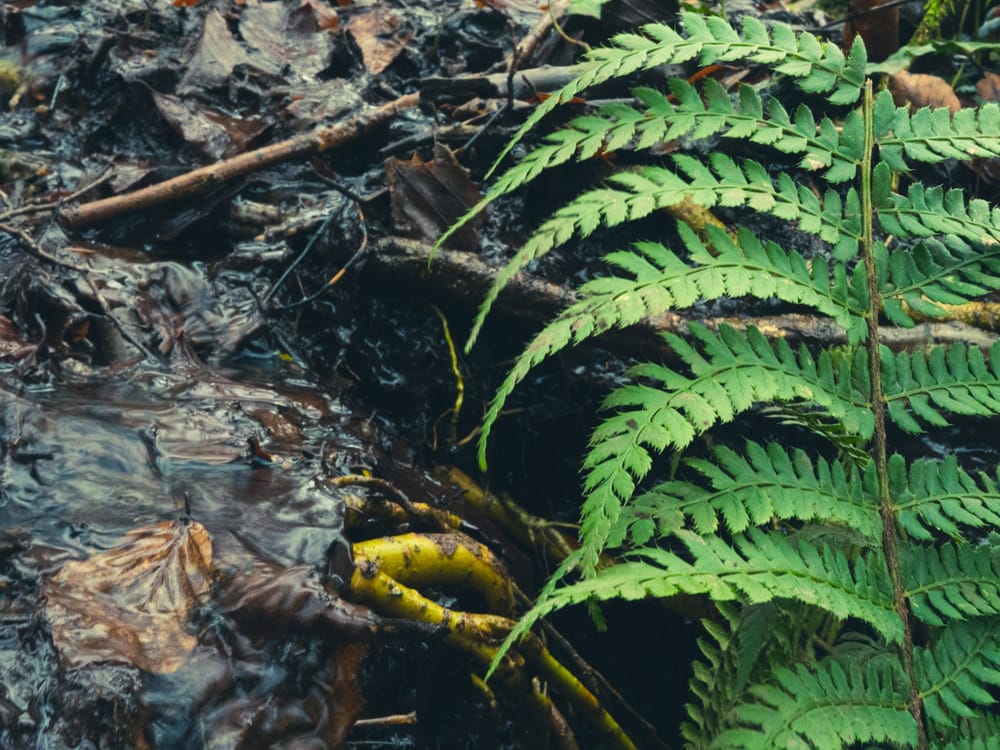
Ferns are one of my favourite plants.
No flowers, no blossom and none of the obvious charms we usually look for in a plant. They live quietly under trees, beside streams, in the damp. Not always the main feature but when you walk in managed forests you miss them. A wood without fern just feels unfinished to me.
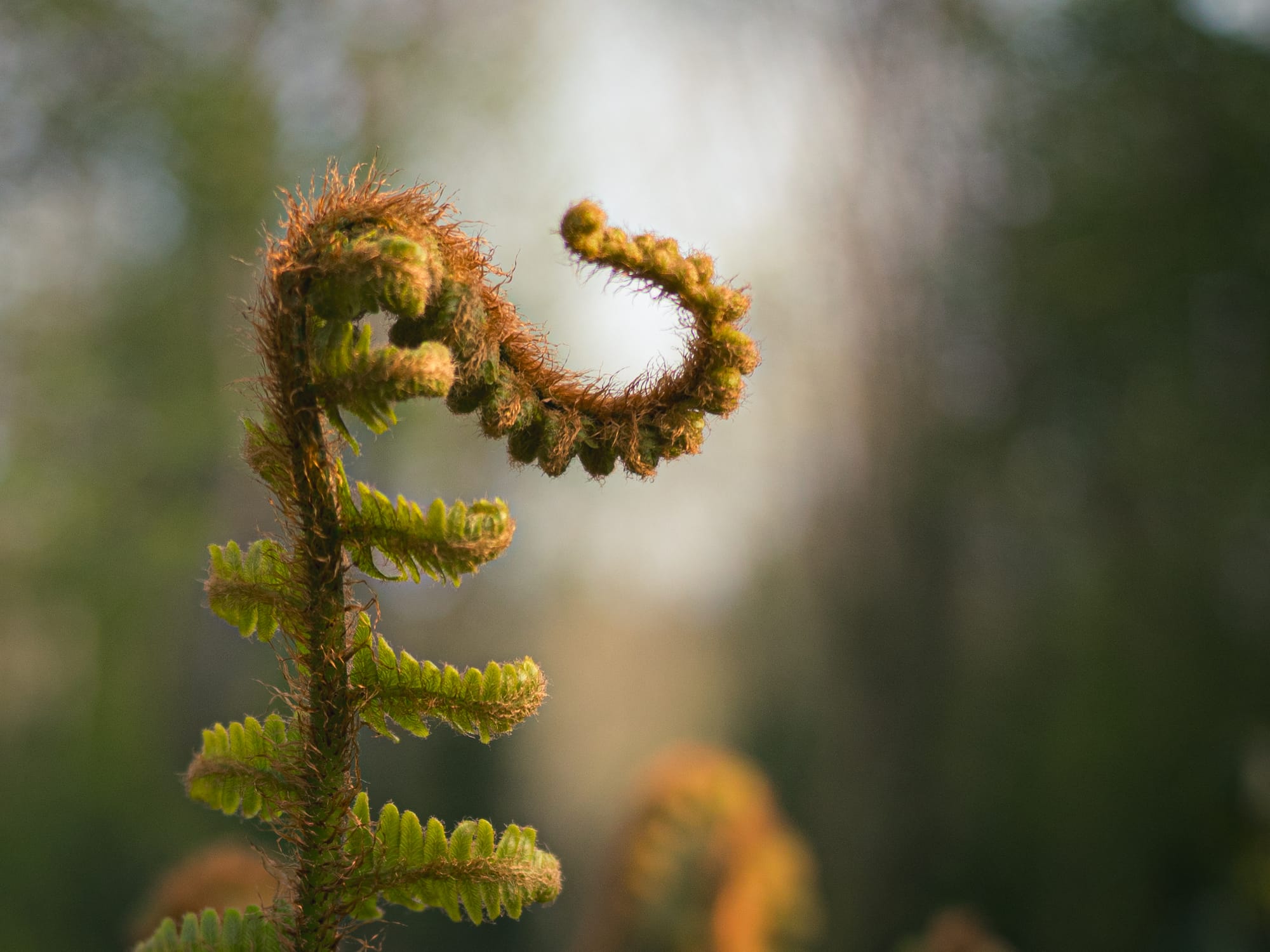
Ancient, older than flowers, and from a world long before the woodland we know now. Something prehistoric about them.
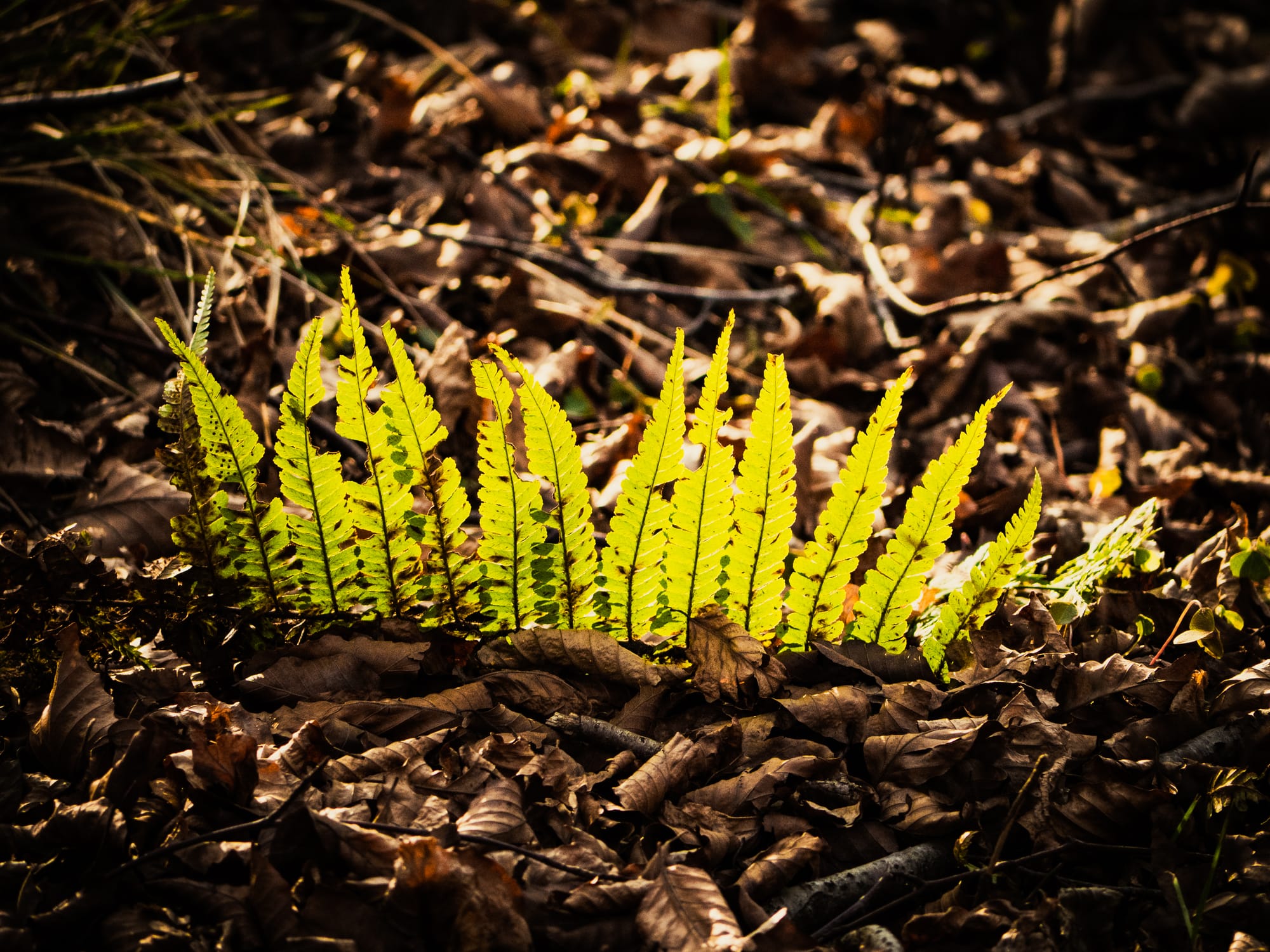
I’ve photographed them throughout the year. From the first fiddleheads appearing among the bluebells to the great green fronds of summer, then bronze and gold before they collapse back into the ground.
Anyway, here are a few favourites.
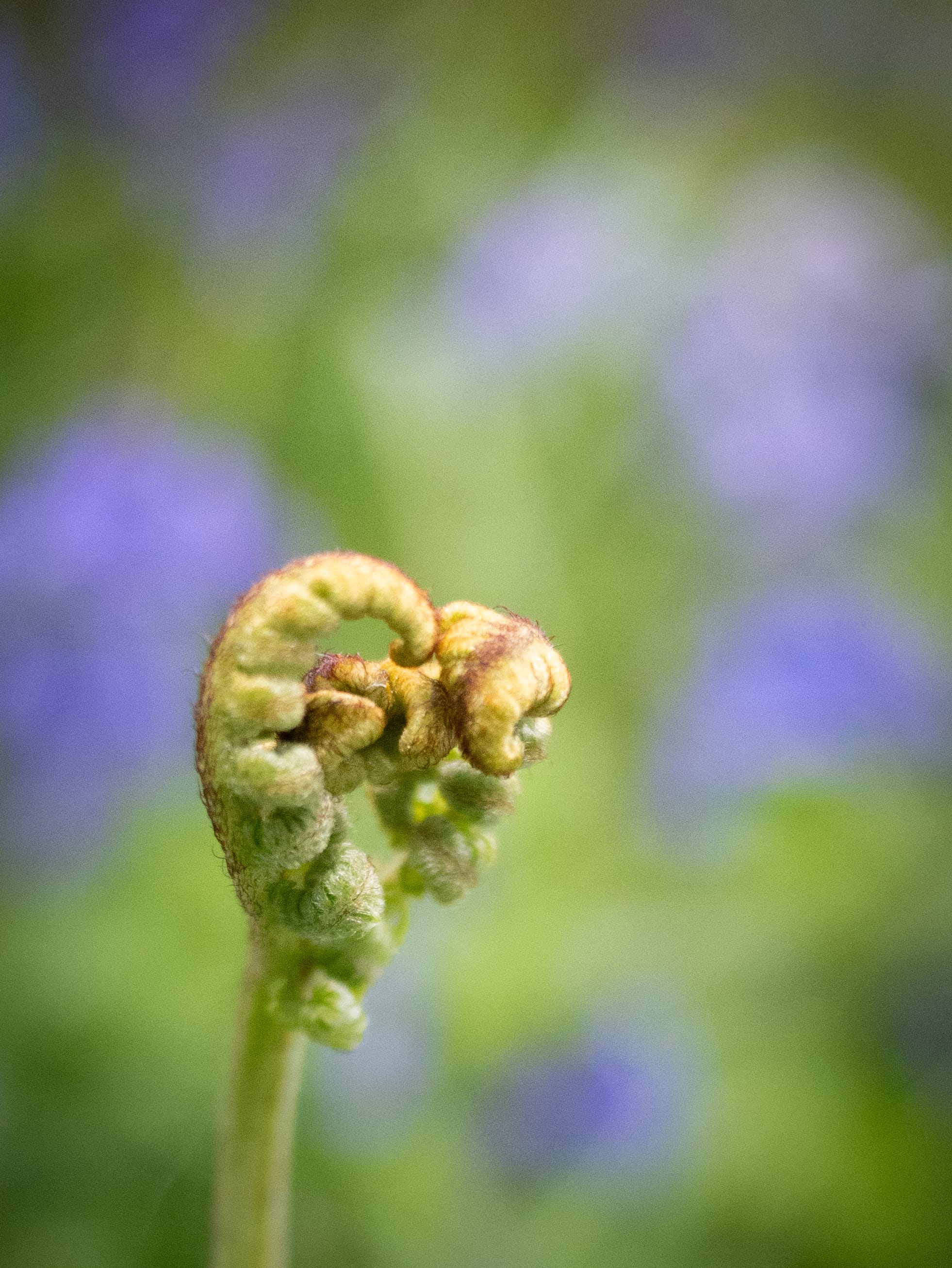
Curled spring fern shoot against a softly blurred background of bluebells.
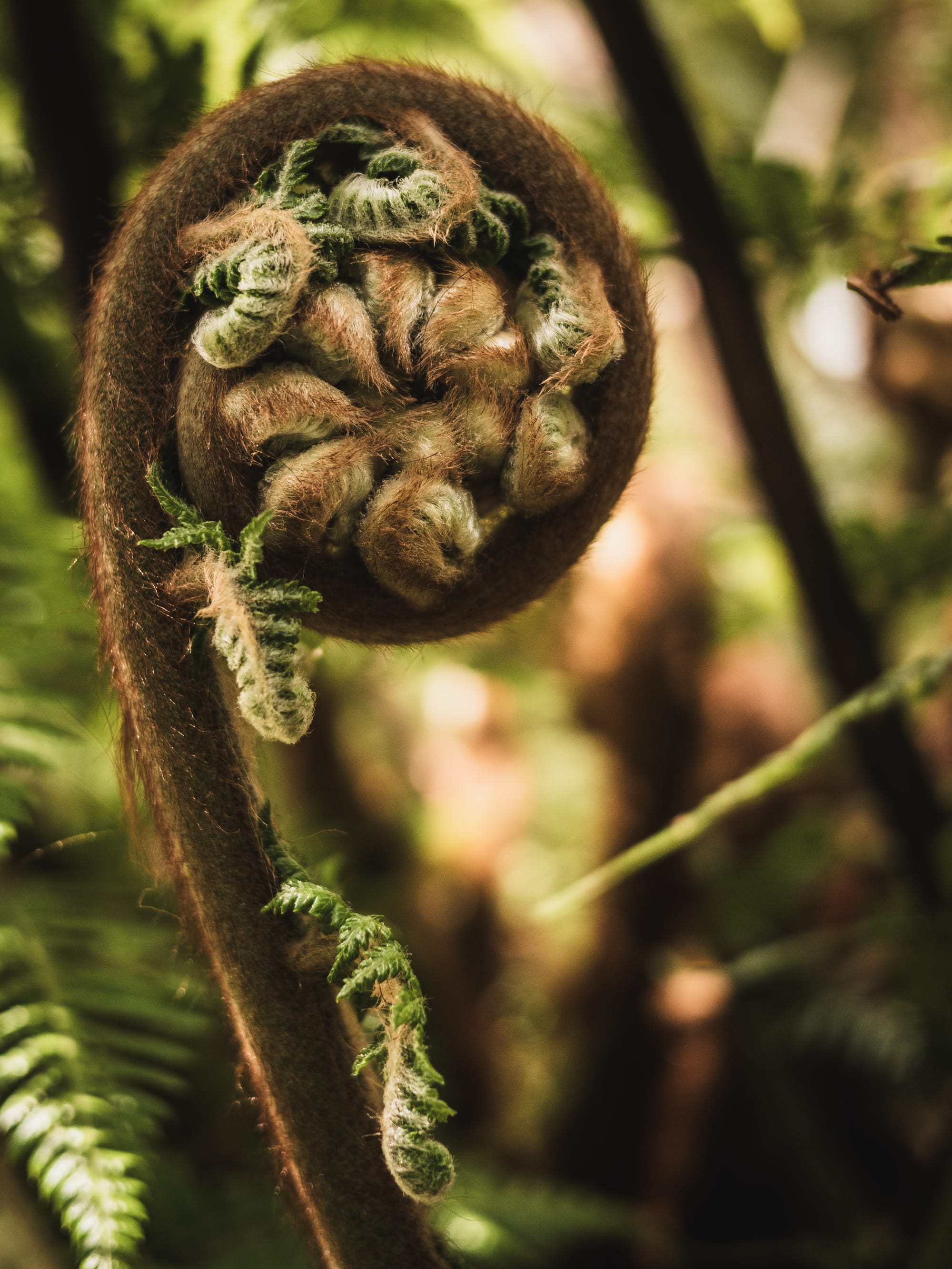
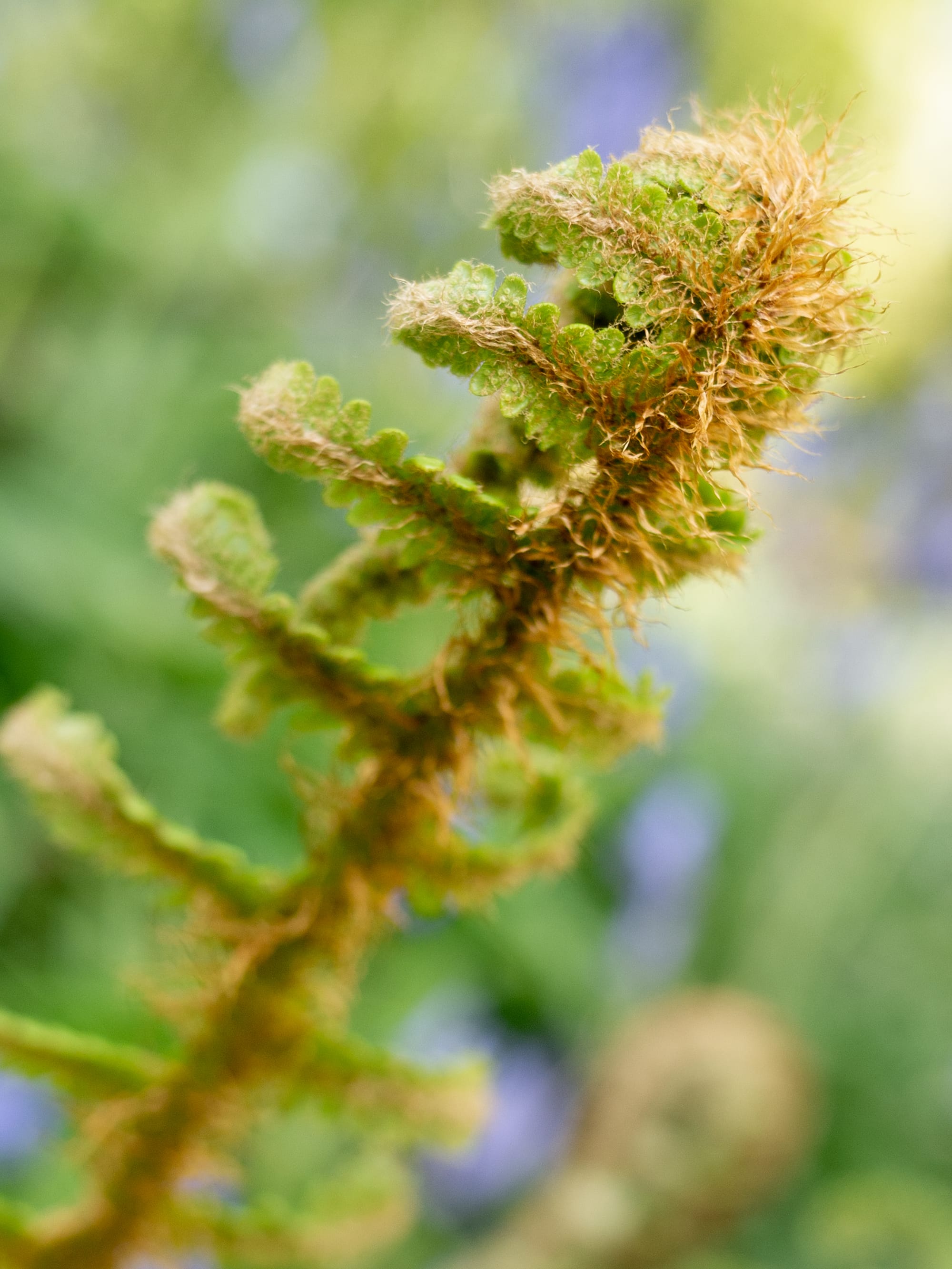
Seen close up, the tiny leaflets are packed together tightly, waiting for their turn to open. Then, over a short period, the tight brown coils become familiar green fronds.
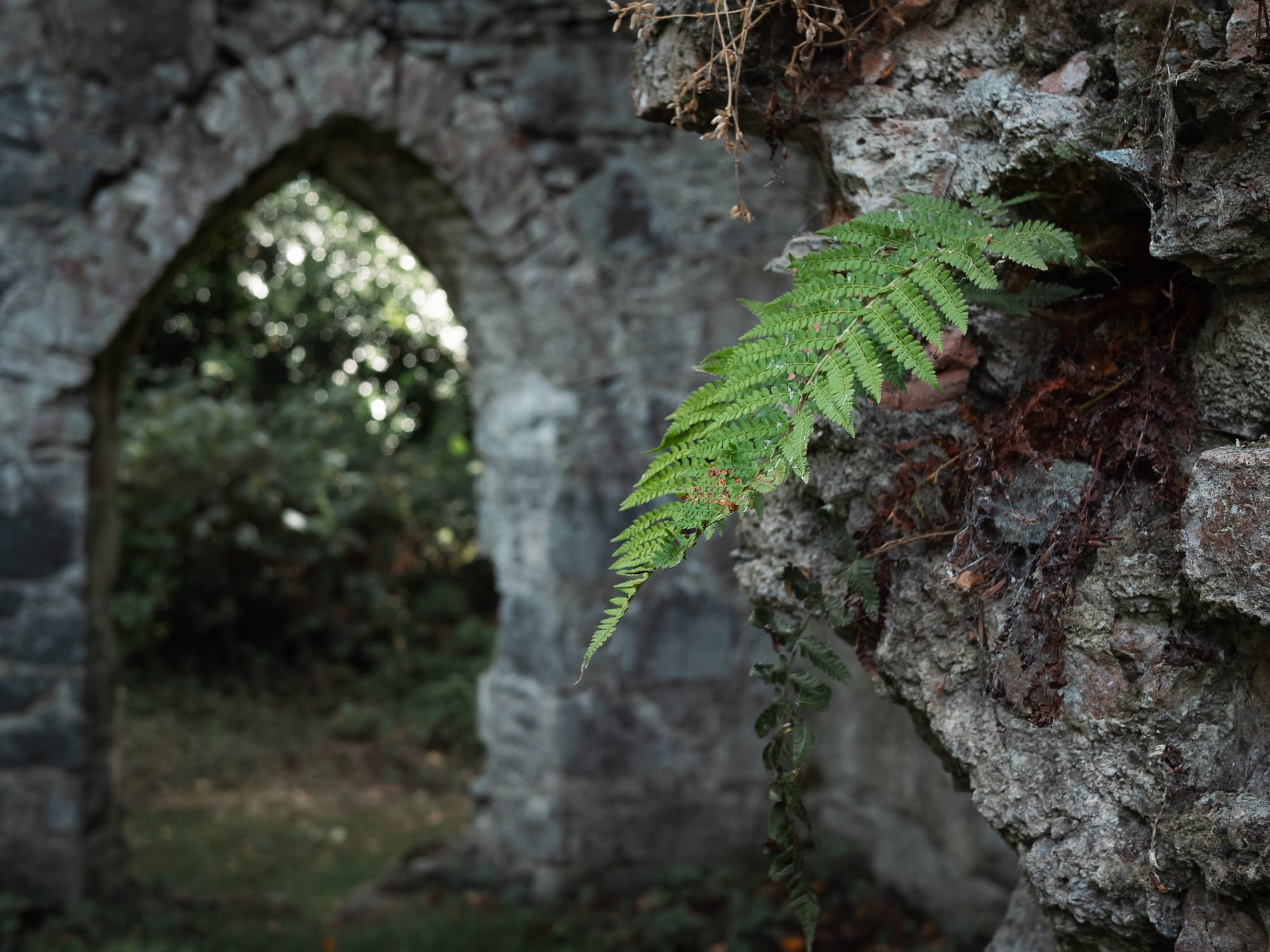
Ferns are usually associated with woodland, but they are not especially fussy about.
Growing from old trees, stone walls, ruins and almost any crevice where a little soil and moisture can collect.
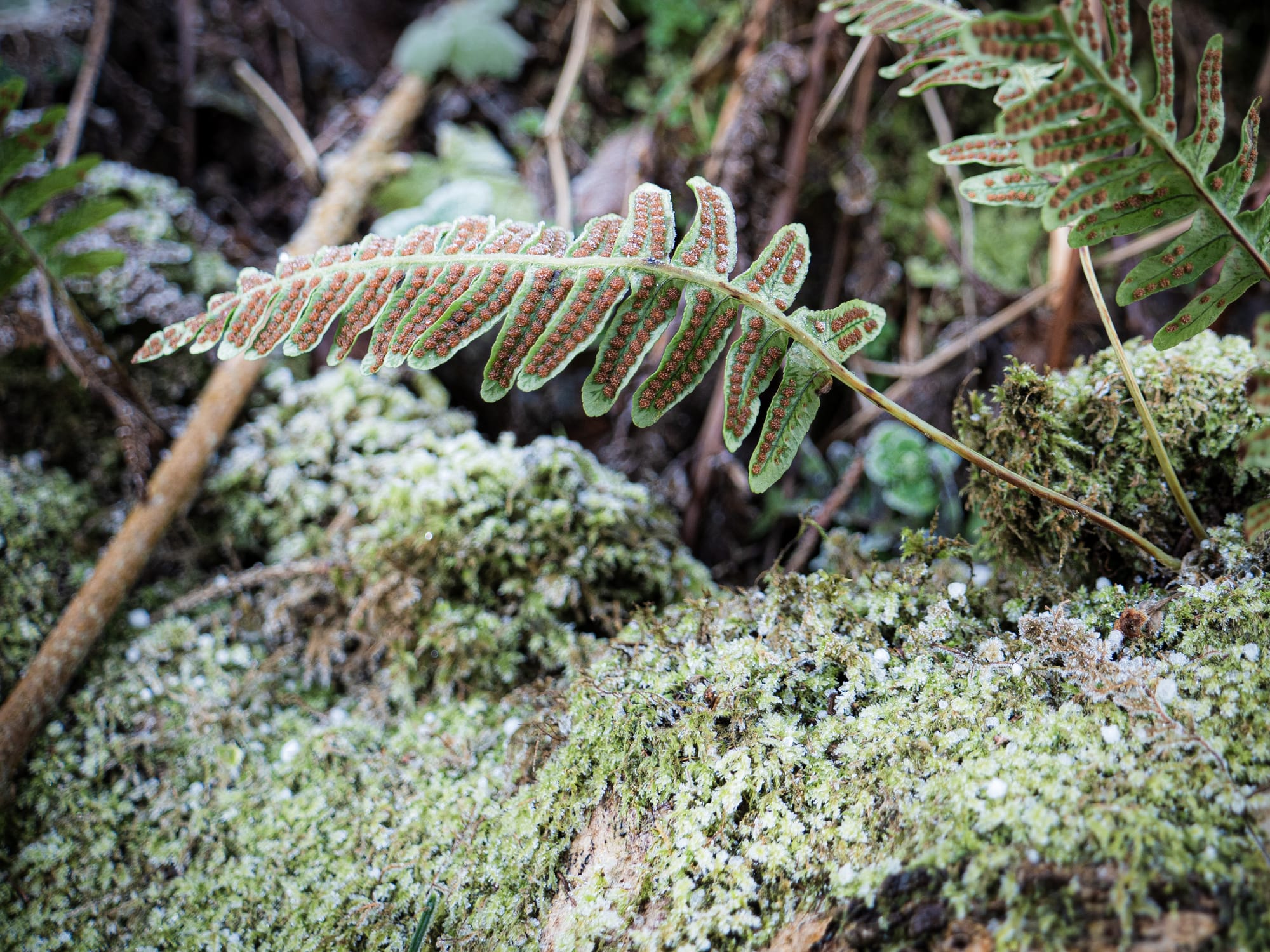
Instead of producing flowers and seeds, they reproduce through spores. These are formed in clusters called sori, usually found on the underside of a mature frond.
They often appear as rows of rust-coloured dots. When I first saw them I thought it was some sort of disease.
During the nineteenth century, Britain experienced what became known as pteridomania—literally fern madness.
People collected ferns, studied them, pressed them into albums and built special ferneries to grow them.
Once you begin noticing the differences between ferns—the shapes, textures and shades of green—they stop looking like background plants.
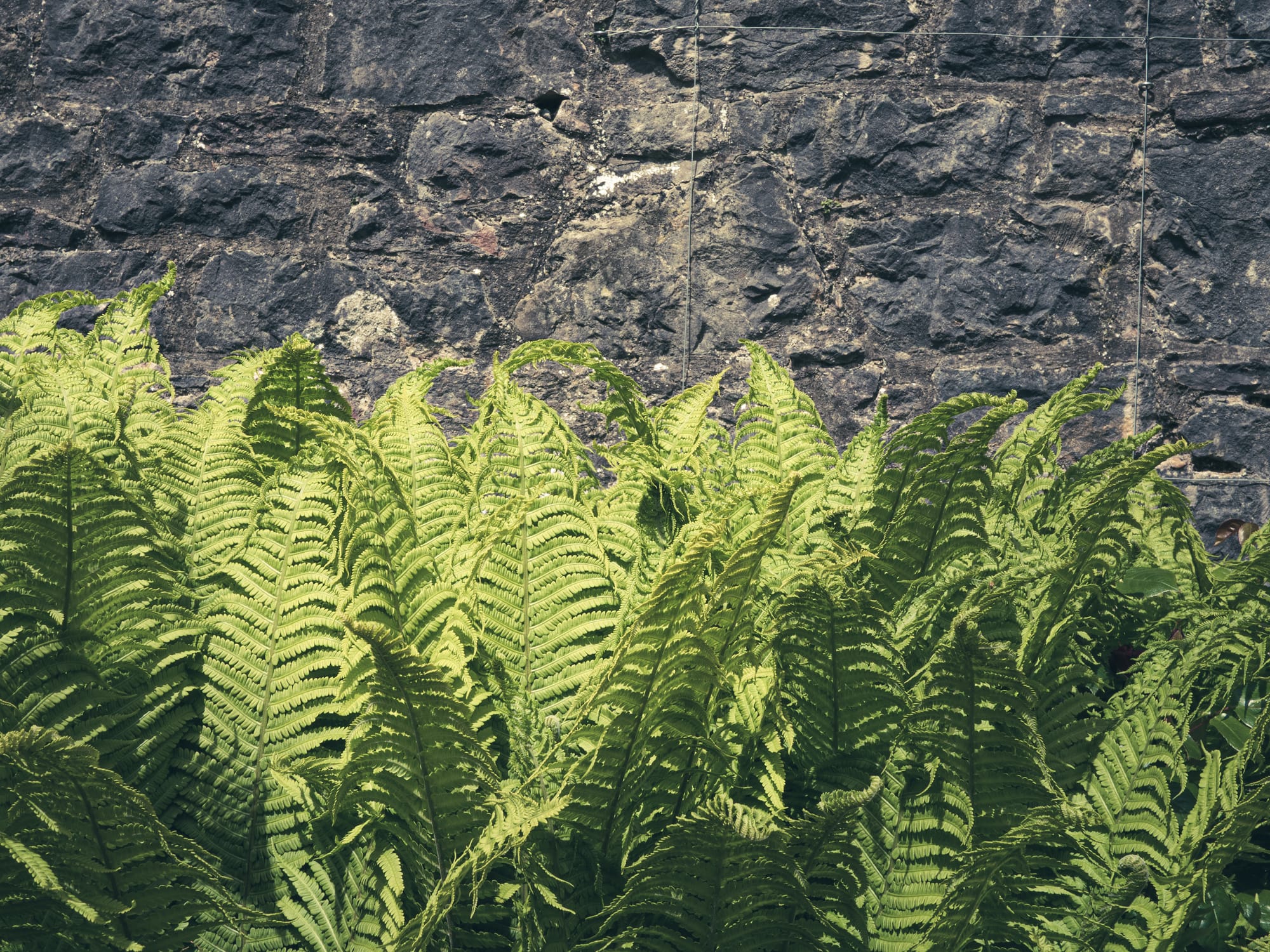
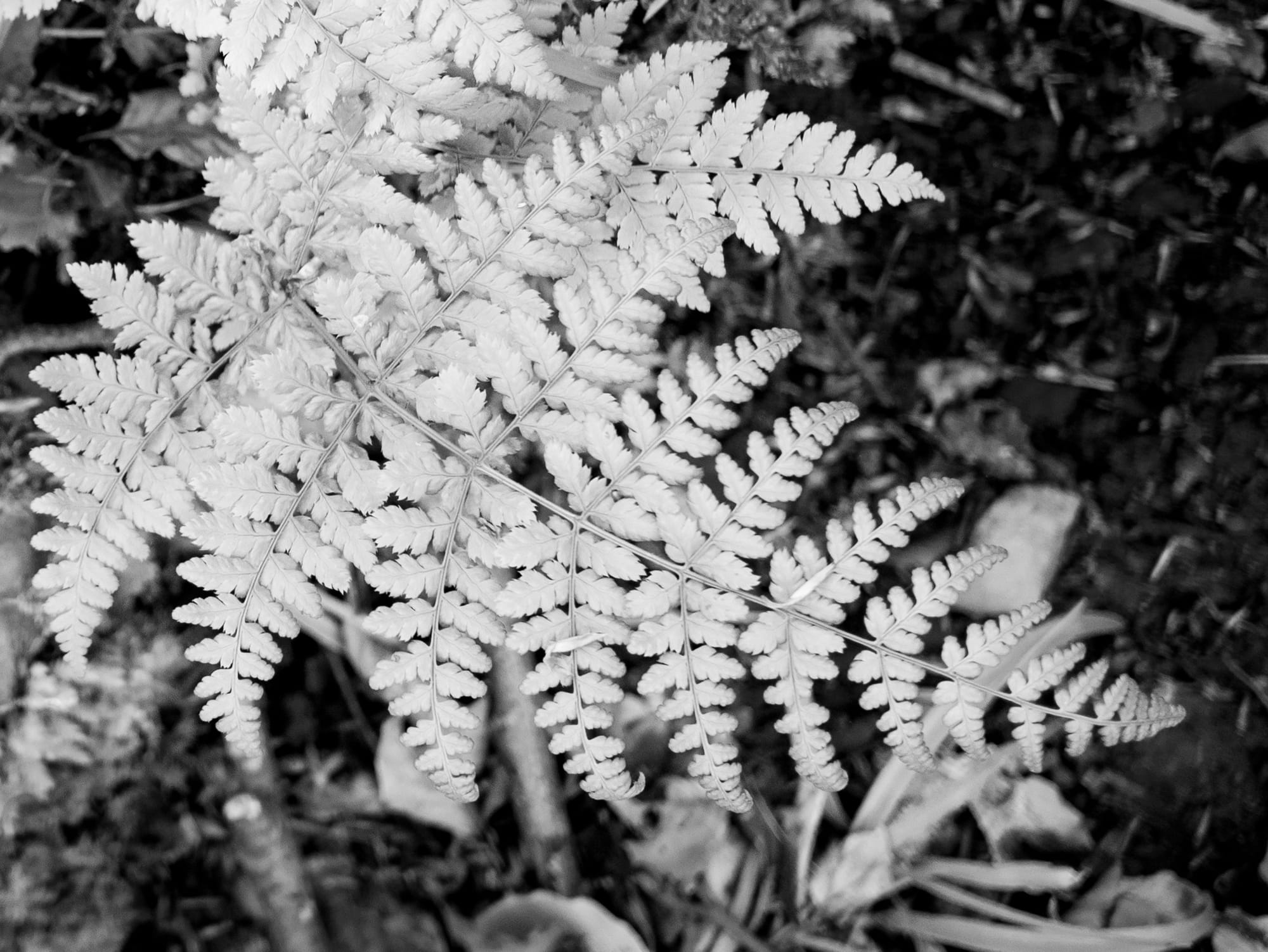
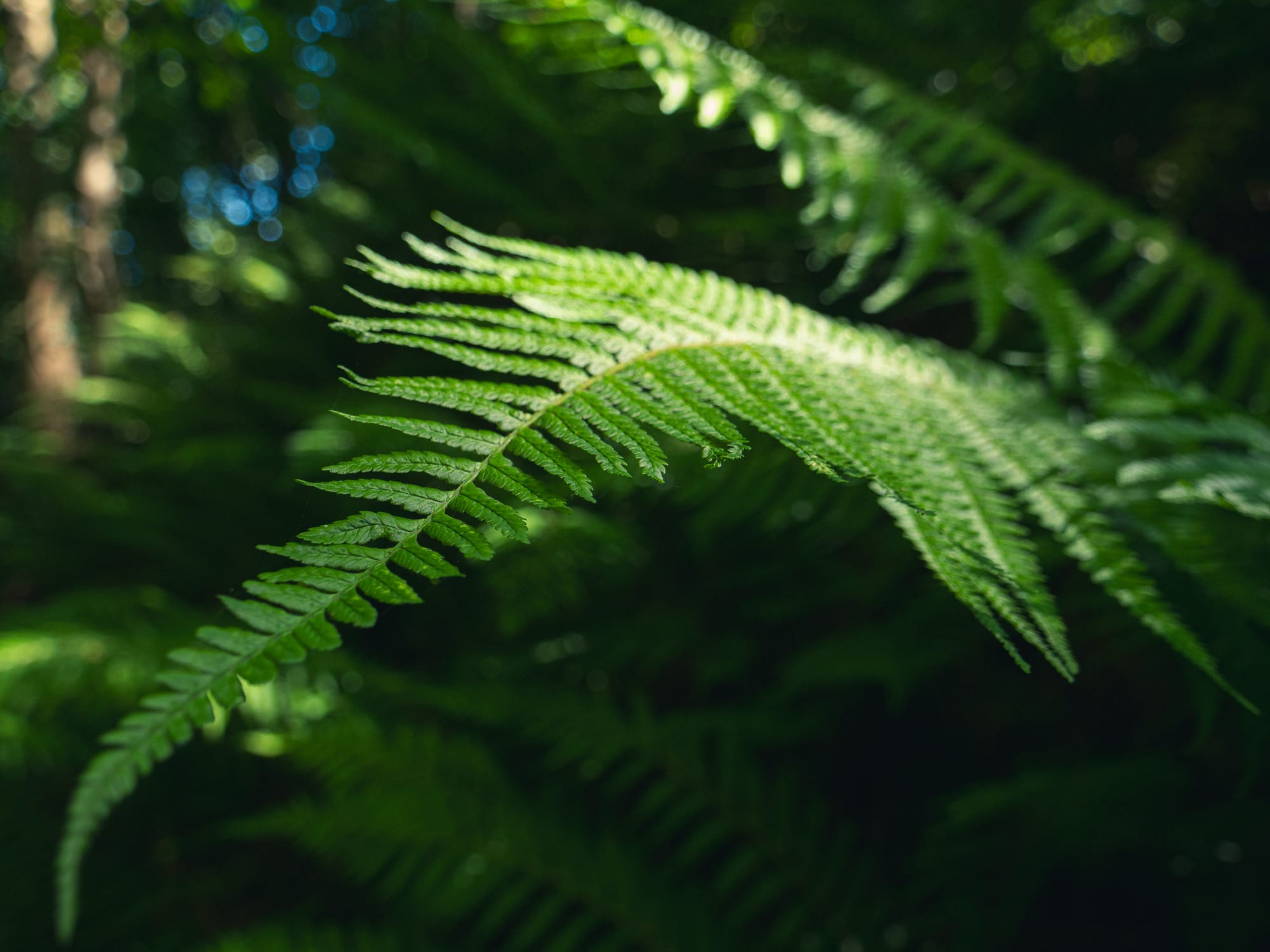
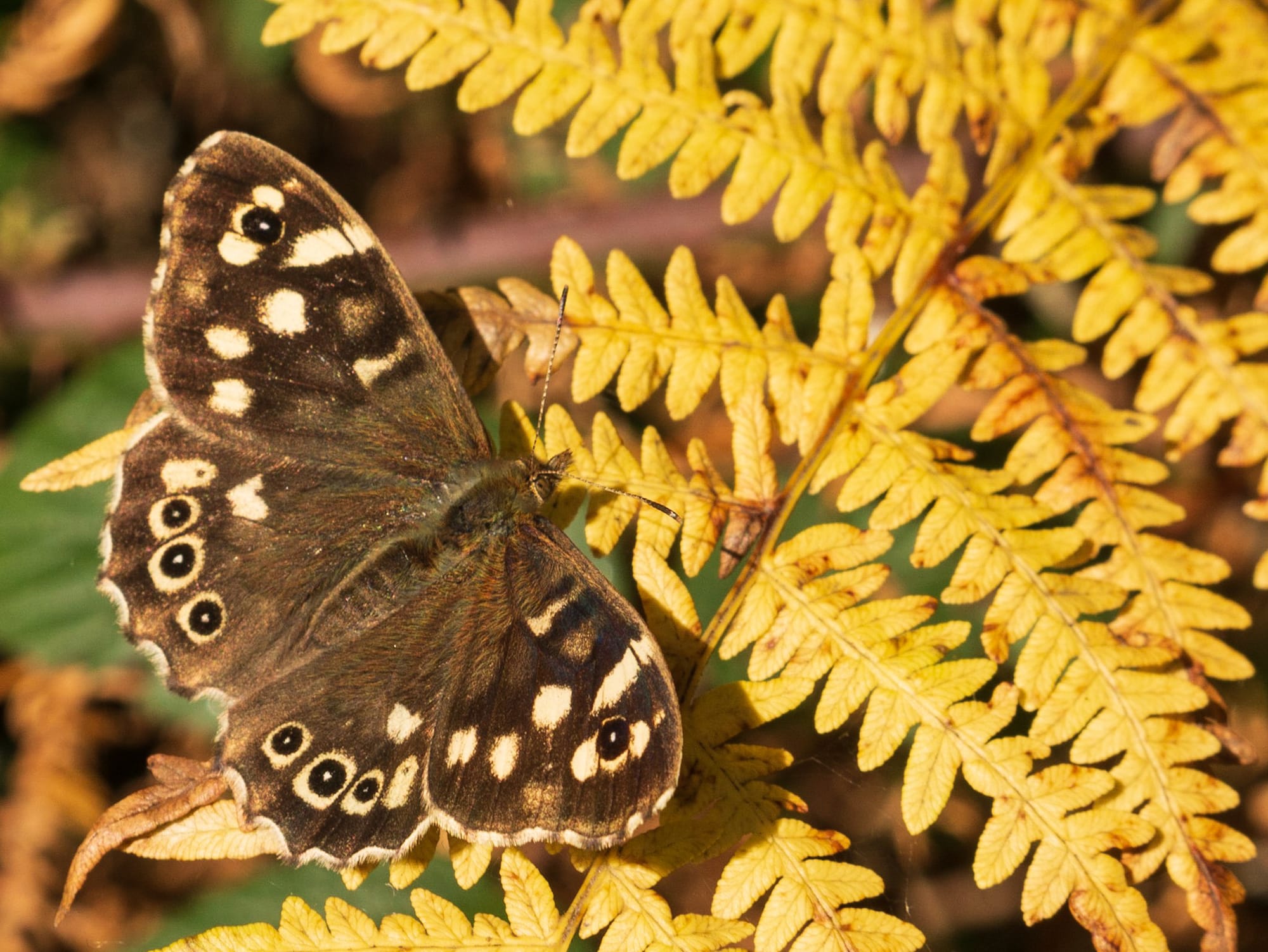
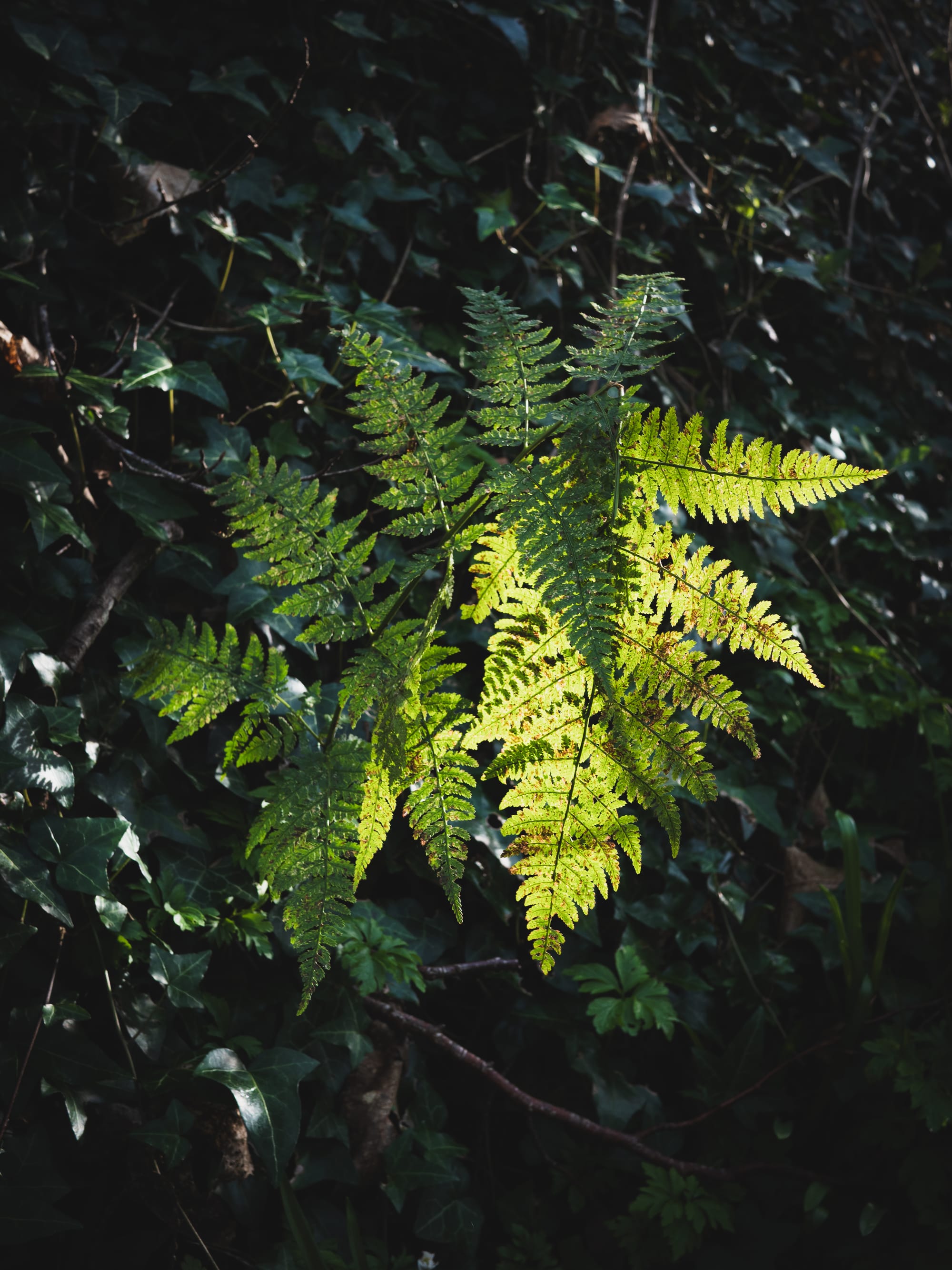
Ancient, intricate and persistent. A bit of woodland would be missing without them.
Member discussion